Culture & Daily Life
-
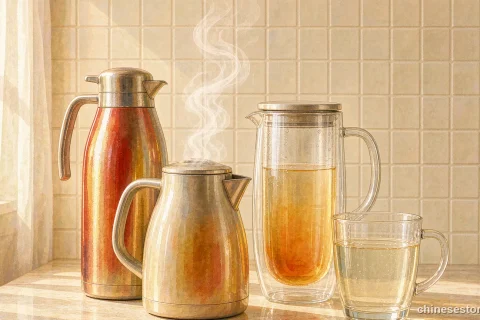
Why Do Chinese People Drink Hot Water?
In China, water arrives warm, a thermos stands on the desk and the phrase drink more hot water is a reflex. The habit is older than tea and was reshaped by a century of public health. An explainer on why hot water became the country’s default drink.
-
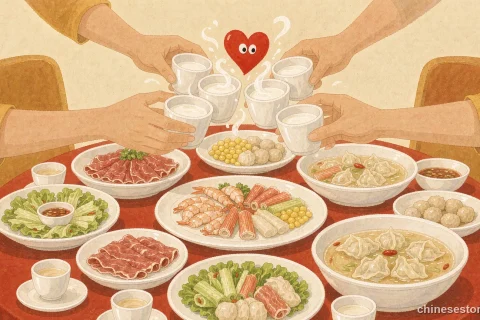
What Is Mianzi? How Face Shapes Everyday Life in China
Mianzi, usually translated as face, is a shared currency of respect that runs through offices, banquets and family life in China. It explains why a no can sound like a maybe and why criticism often waits for a private moment. An explainer on how face works.
-
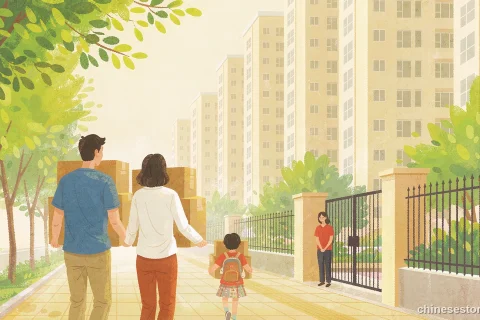
Inside China’s Hukou System: Why Your Hometown Follows You
The hukou is the household registration that ties every Chinese family to one place. It decides which schools, clinics and pensions a family can reach, even after years of living in another city. An explainer on how the system works and how it quietly shapes daily life.
-
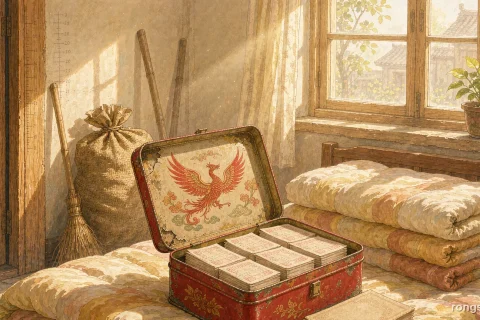
The Tickets in the Tin Box: A Chinese Life Story
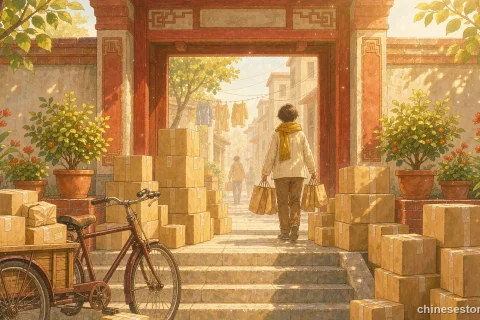
He Xiaoyan raises her son and looks after her in-laws in a county town while her husband drives a forklift in the provincial capital, more than a thousand kilometers away. Every year she packs his bag with chili sauce and hand-stitched insoles. When she takes the boy to surprise him, she finds the tin box he left behind, and everything he has been keeping to himself for eight years.
-
The Phone Under the Screwdriver: A Chinese Life Story
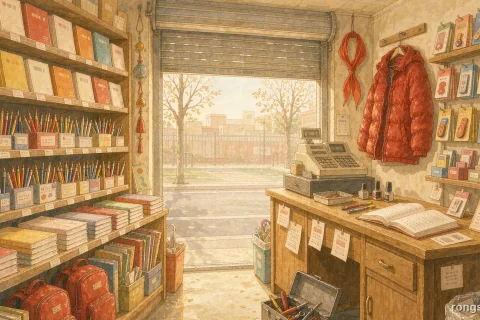
Su Qing runs a small stationery shop across from a primary school in a county town. Her husband comes home later each month, brings home less money, and starts leaving his phone face down. Then one cold morning she reaches into his toolbox for a screwdriver and finds a second phone at the bottom. What she does next is not what the neighbours would expect.
-
The Clay Pot My Mother-in-Law Carried: A Chinese Life Story
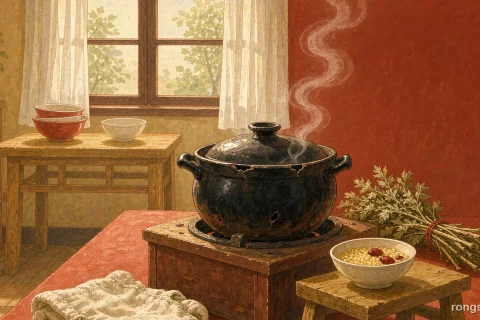
Lin Wei gives birth in a county town, and on the third day her mother-in-law arrives from the village with a grain sack and a chipped clay pot, ready to run the kitchen for a month. The confinement month brings four soups a day, a window that must stay shut, and quiet war over hair washing and too many layers on the baby. Then one night Lin Wei sees the older woman soaking her swollen hands under the lamp, and learns what her mother-in-law is really afraid of.
-
Inside Singles’ Day: How 11/11 Became the World’s Biggest Shopping Day
Singles’ Day, or Double 11, began as a campus joke in 1990s Nanjing and grew into the biggest shopping day on earth. Each November 11, China buys in one day what many countries spend in a year. Here is how it started, how it works, and how it compares with Black Friday.
-
Inside China’s Square Dancing: Why Parks Fill with Dancers at Dusk
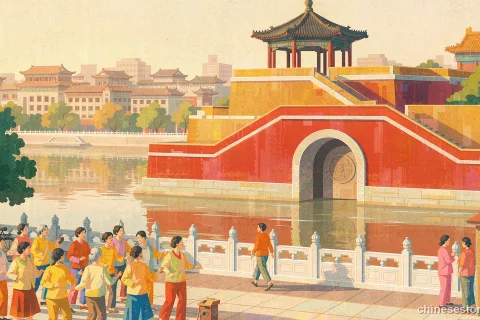
Around 100 million people in China dance in public squares most evenings. Square dancing, or guangchangwu, is a fitness habit, a social club, and sometimes a source of neighbour disputes. Here is what it is, who does it, and why it fills a city’s evenings.
-
Inside Cashless China: How QR Codes Replaced the Wallet
China moved from cash to phone payments faster than almost anywhere on earth. Two apps, Alipay and WeChat Pay, put a printed square code on every counter, from food carts to shopping malls. Here is how QR payments work, how they became normal, and who gets left behind.
-
Inside China’s 996 Work Culture: What ‘Involution’ Really Means
In China’s technology industry, 996 means 9am to 9pm, six days a week. The phrase named a habit, then started a national argument. Here is what 996 is, where it came from, and why the Chinese word neijuan, often translated as involution, became the way a generation talks about work.