Admin
-
The Little Gecko Asks for a Tail: A Chinese Bedtime Story
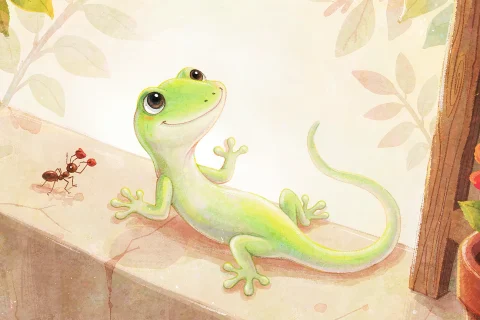
A gentle Chinese bedtime story about a small gecko whose tail comes off when a door closes on it. He asks the fish, the ox and the swallow to lend him a tail, but every tail has a job to do. Then his mother shows him a new tail has already grown. Short sentences, a soft ending, and the old Chinese tale of the gecko who grows again.
-
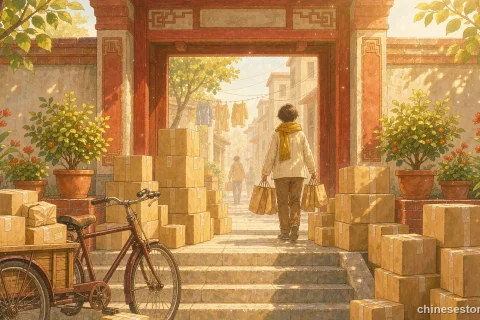
Inside Singles’ Day: How 11/11 Became the World’s Biggest Shopping Day
Singles’ Day, or Double 11, began as a campus joke in 1990s Nanjing and grew into the biggest shopping day on earth. Each November 11, China buys in one day what many countries spend in a year. Here is how it started, how it works, and how it compares with Black Friday.
-
Inside China’s Square Dancing: Why Parks Fill with Dancers at Dusk
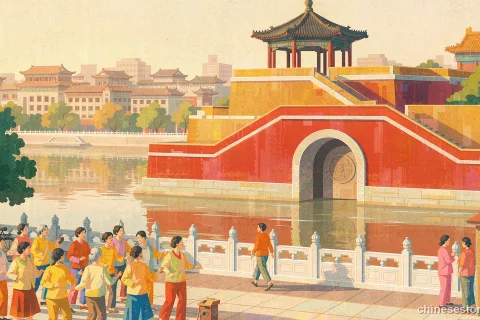
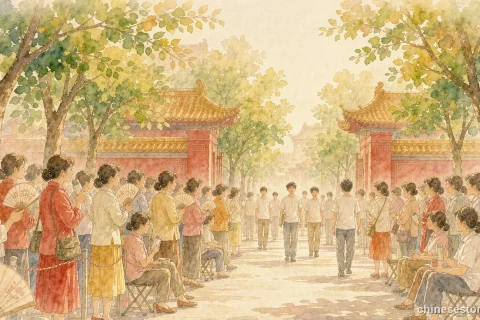
Around 100 million people in China dance in public squares most evenings. Square dancing, or guangchangwu, is a fitness habit, a social club, and sometimes a source of neighbour disputes. Here is what it is, who does it, and why it fills a city’s evenings.
-
Inside Cashless China: How QR Codes Replaced the Wallet
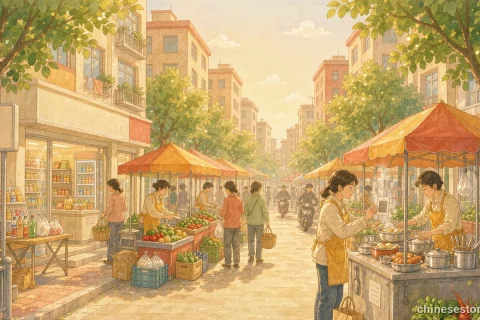
China moved from cash to phone payments faster than almost anywhere on earth. Two apps, Alipay and WeChat Pay, put a printed square code on every counter, from food carts to shopping malls. Here is how QR payments work, how they became normal, and who gets left behind.
-
Inside China’s 996 Work Culture: What ‘Involution’ Really Means
In China’s technology industry, 996 means 9am to 9pm, six days a week. The phrase named a habit, then started a national argument. Here is what 996 is, where it came from, and why the Chinese word neijuan, often translated as involution, became the way a generation talks about work.
-
Inside China’s Gaokao: Why One Exam Shapes Millions of Lives
Every June, some 13 million Chinese students sit the gaokao, the national college entrance exam. A single score decides which university, which city, and often which career. Here is how the exam works, why one number carries so much weight, and how it compares with the SAT and A-levels.
-
The Tally Marks on the Wall: A Chinese Life Story
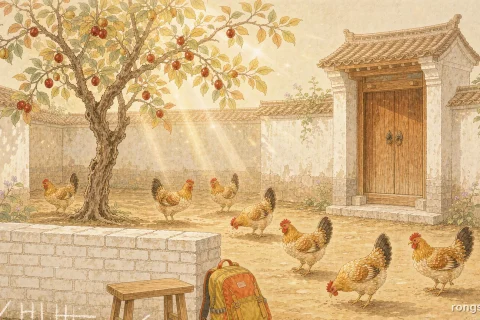
Xiao Yu is eight, living with his grandmother in a village courtyard while his parents work in a factory a thousand kilometers away. Every evening he crouches by the wall and adds one chalk stroke, counting the days until the new year. When his mother calls to say they might take him to the city, his grandmother has to decide what is best for a boy who has learned to count the days.
-
The Folding Stool at the Matchmaking Corner: A Chinese Life Story
Chen Meifeng is sixty-seven and eats alone, three days from the same pot. Every weekend she takes a sheet of paper to the matchmaking corner in the park, advertising her grown son. There she meets Zhou Dehai, also there for a daughter who married years ago. A quiet story about two widowed people, a folding stool, and one meal eaten down to the bottom of the box.
-
The Only Child and the Fold-Up Cot: A Chinese Life Story
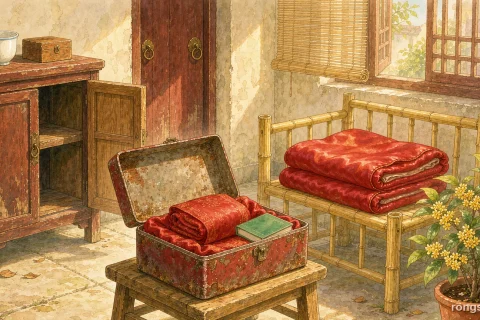
Su Xiao is an only child, an accountant in the provincial capital, two hundred kilometers from her aging parents. When her father goes into the hospital she asks them three times to come and live with her, and three times they refuse. Then she opens a tin box on top of a wardrobe and finds a passbook, a page in her mother’s handwriting, and a secret kept for three years.
-
Wang Zhaojun: The Palace Woman Who Volunteered for Exile
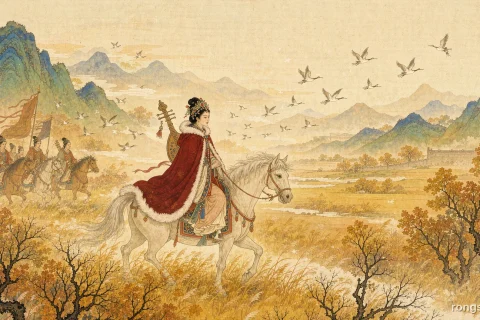
In 33 BC the Han court gave five women from the imperial palace to a Xiongnu chief. One of them was Wang Zhaojun. She had waited years inside the palace and never once been summoned, and it was said that she asked to go. She spent the rest of her life on the steppe, and never came home. This is her story.